HALLMARKS OF TRUE BESPOKE TAILORING IN HONG KONG
True bespoke tailored suiting in Hong Kong
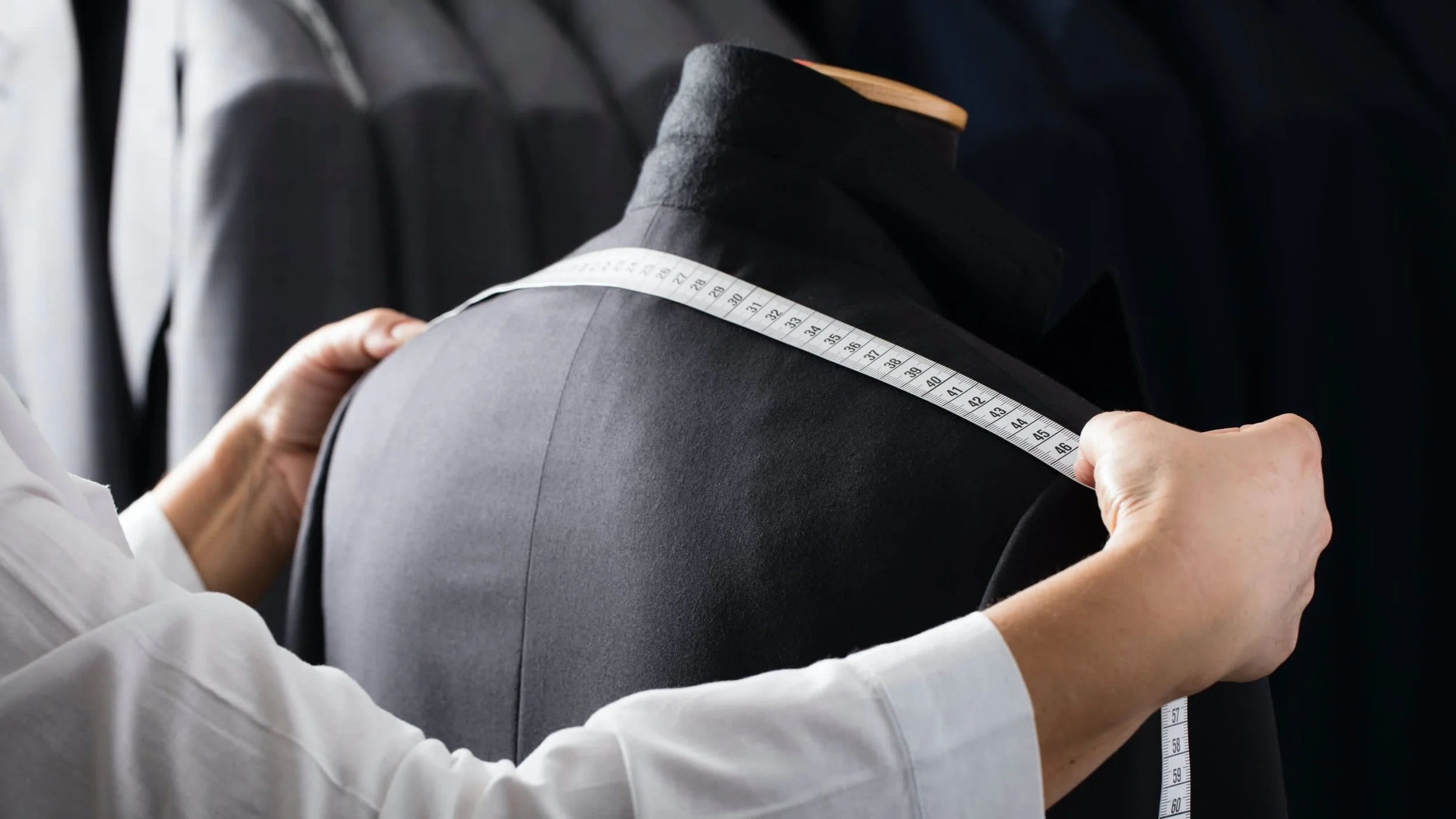
In the elevated realm of classic menswear, where discernment separates the fleeting from the timeless, the essence of a superior bespoke suit resides not in its visible elegance alone, but in the concealed mastery of its construction. The canvas that breathes and moulds, the lapels padded by hand to roll with subtle vitality, the shoulders shaped with patient precision—these are the hallmarks that transform cloth into a garment of quiet authority, one that conforms to the wearer over years, rather than merely covering him.
Hong Kong, in 2026, remains a preeminent guardian of this tradition drawing from the Shanghainese legacy of the 1950s to produce full-canvas masterpieces at remarkable value. Yet this craft is global: Savile Row's storied houses like Anderson & Sheppard, Huntsman, and Henry Poole uphold structured British drape; Naples' Neapolitan artisans, such as Kiton, Attolini, and Rubinacci, champion softer, lighter constructions with characteristic spalla camicia shoulders. Understanding these subtleties empowers the experienced gentleman to commission with confidence, whether in Central Hong Kong or Mayfair London.
The Canvas: The Soul of the Jacket
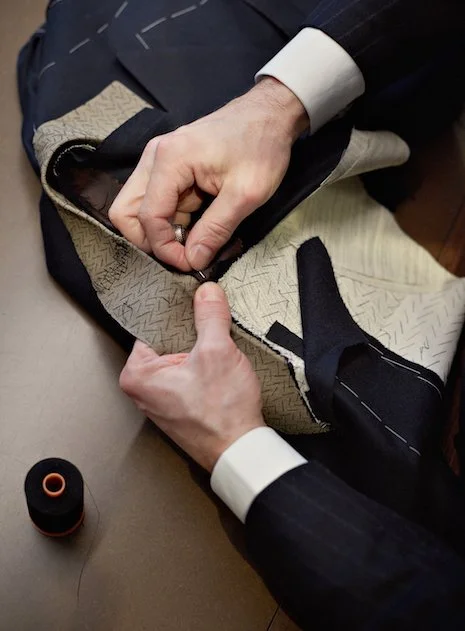
The interlining, or canvas, forms the structural heart of a suit jacket, dictating how it drapes, breathes, and ages. In true bespoke tailoring—whether Hong Kong's Shanghainese precision or Savile Row's military-inspired rigour—the canvas is "floating": layers of haircloth (for resilience), canvas, and domette (for softness) are loosely hand-basted, allowing independent movement that enables the garment to mould to the body like a second skin.
This floating construction contrasts sharply with modern shortcuts. Over time, a canvassed jacket develops a natural, lived-in elegance—subtle fullness across the chest, a gentle roll at the lapels—while fused alternatives stiffen and fail.
Full canvas construction extends this layered, hand-basted interlining from shoulders to hem. It is the undisputed pinnacle, offering unparalleled drape with subtle blade fullness for movement and grace, supreme breathability (vital in humid climates like Hong Kong or Naples summers), and extraordinary longevity—garments that improve with wear, lasting decades without delamination.
In Hong Kong, a selection of houses deliver full canvas as standard in true bespoke, blending Shanghainese lightness with British influence. On Savile Row, Anderson & Sheppard’s renowned "London drape" relies on full canvas to create soft chest fullness, while Huntsman favours a more structured full canvas for military sharpness. Neapolitan masters like Cesare Attolini employ lighter full canvas for unlined, unstructured jackets that feel almost shirt-like.
The labour-intensive nature elevates pricing—expect HK$20,000–40,000 or £6,000–12,000 equivalent—but the investment yields dividends in comfort and silhouette. Consider our concierge service in choosing your preferred tailor here.
Half canvas offers a pragmatic evolution: full floating canvas in the chest and lapels, transitioning to fused lower panels. It retains excellent upper-body drape and roll while reducing weight and cost. Many high-end made-to-measure programmes in Hong Kong and visiting trunk shows from Italian houses adopt this, providing a bridge for those seeking quality without full bespoke commitment.
Fused, or glued, construction bonds synthetic interlining directly to the fabric with adhesive. Prevalent in ready-to-wear and budget options, it initially feels light but reveals flaws swiftly: stiffness that restricts movement, poor breathability leading to discomfort, and vulnerability to bubbling or separation—particularly in heat and humidity.
In Hong Kong's climate, fused suits often fail prematurely; even on Savile Row, only entry-level offerings employ it. Discerning clients avoid it entirely for commissions intended to endure.
Hand-Padded Lapels and Collars: The Mark of Artisanal Devotion
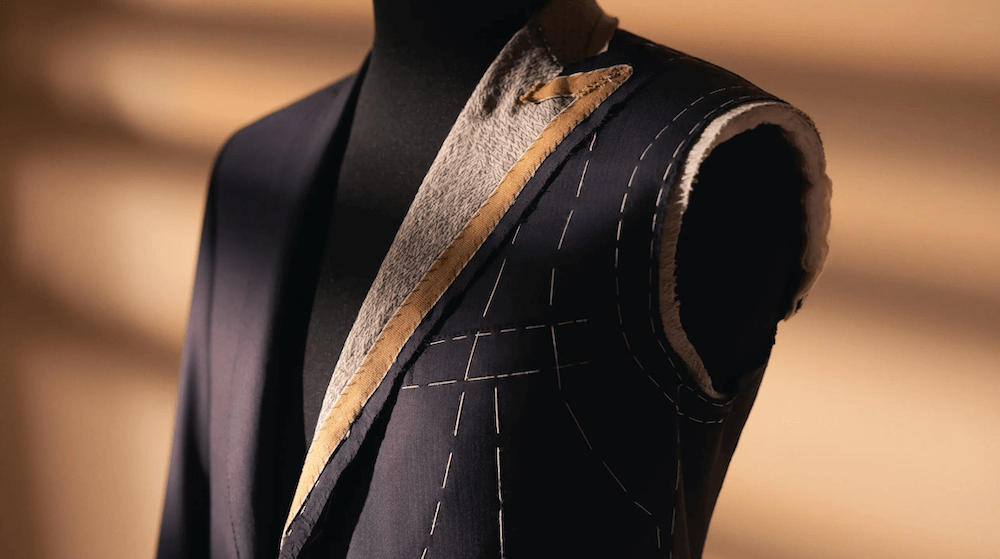
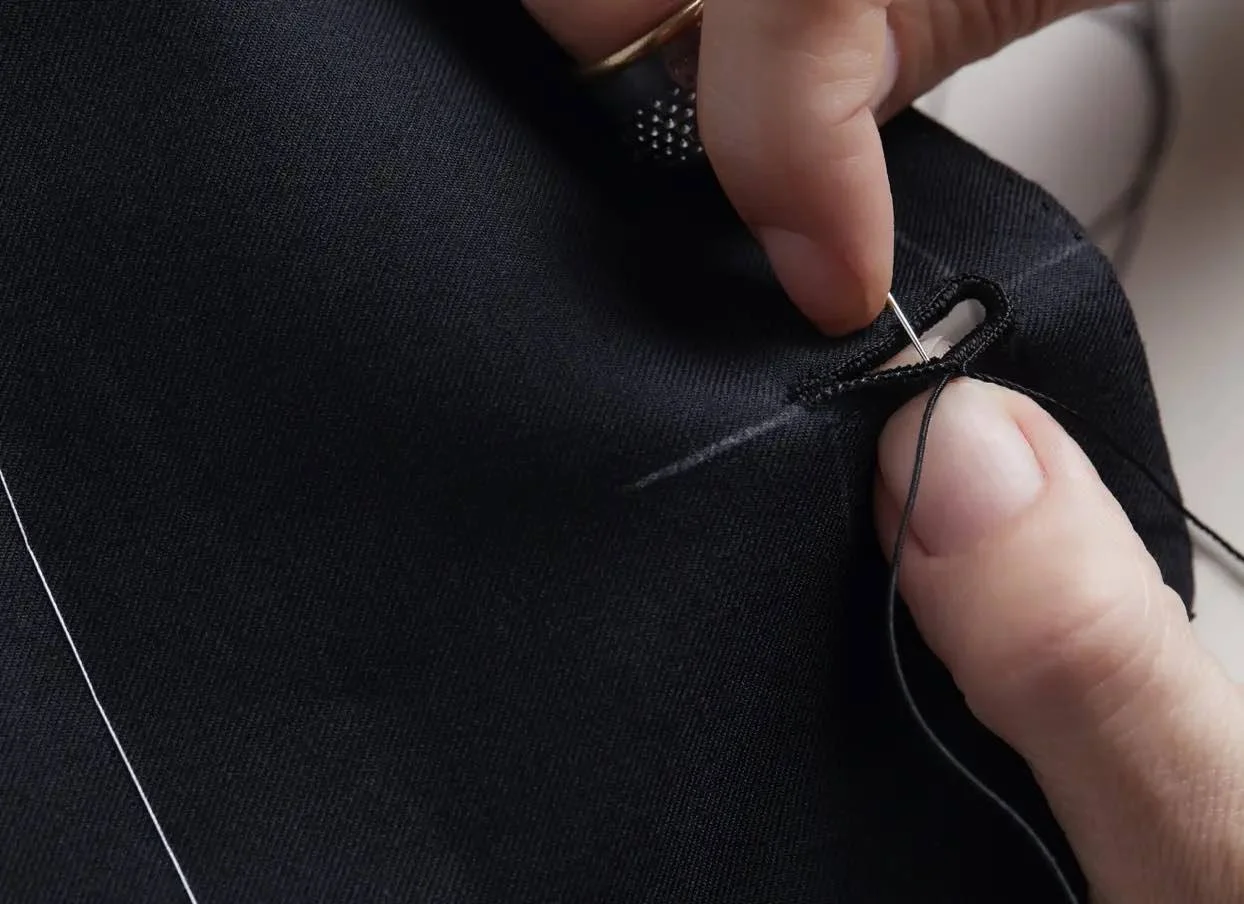
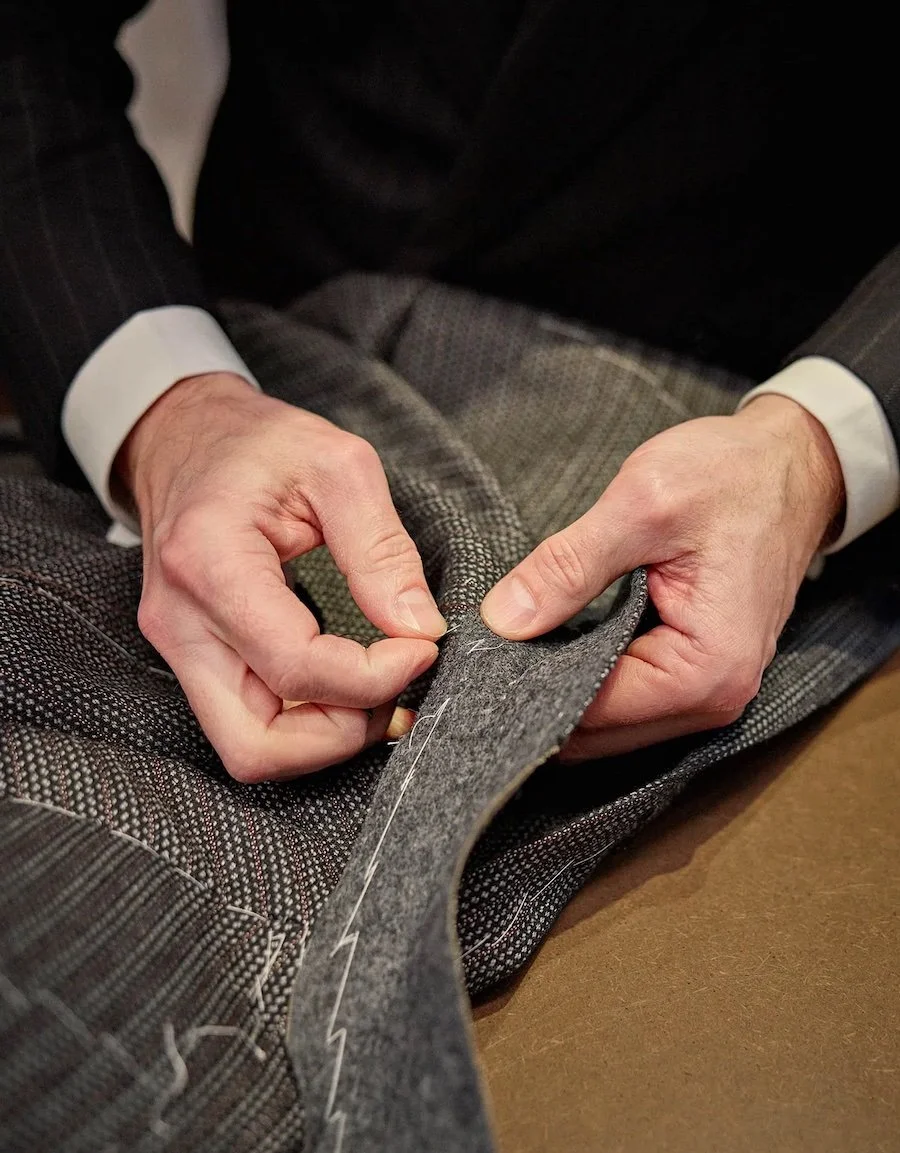
Beyond canvas lies the visible poetry of handwork, nowhere more evident than in the lapels and collar. In machine-made or fused garments, these elements lie flat and inert. In true bespoke, they are padded by hand—layer upon layer shaped with invisible stitches—imparting a gentle, three-dimensional roll that interacts with light and movement.
This hand-padding creates the coveted "lapel bloom," a soft curve absent in lesser makes. Collars, too, are attached by hand, hugging the neck with precision that machines cannot replicate.
Hong Kong’s fine tailors excel here, their Shanghainese roots yielding crisp yet lively rolls. Savile Row's Henry Poole attaches collars with legendary precision, while Neapolitan houses like Kiton pad lapels lightly for casual elegance.During basted fittings—the raw, loosely assembled stage—this handwork is exposed, allowing inspection and refinement.
Shoulder Expression and Armhole Mastery
Shoulders proclaim a house's philosophy. Hong Kong's traditional ateliers often favour softly extended or lightly roped shoulders—hand-shaped with minimal padding for clean lines and mobility, influenced by both British structure and Asian lightness.Savile Row varies dramatically: Anderson & Sheppard's soft, natural shoulder contrasts Huntsman's roped, structured expression. Naples' spalla camicia—"shirt shoulder"—features deliberate shirring at the sleevehead, hand-stitched for unparalleled softness and breathability.
High, small armholes—hand-attached sleeves in bespoke—enhance comfort and silhouette, allowing closer fit without restriction. This craft shines in basted fittings, where canvas and structure remain visible for adjustments.
Evaluating Construction: Practical Wisdom for the Connoisseur
When commissioning—be it in Hong Kong's efficient ateliers or during a Savile Row trunk show—employ these tests:
Pinch the chest gently: separate layers indicate canvas; fused feels stiff and uniform.
Request multiple basted fittings: observe floating canvas, hand-padding, and sleeve attachment firsthand.
Inquire directly: "Is this full canvas with hand-padded lapels and attached collar?"
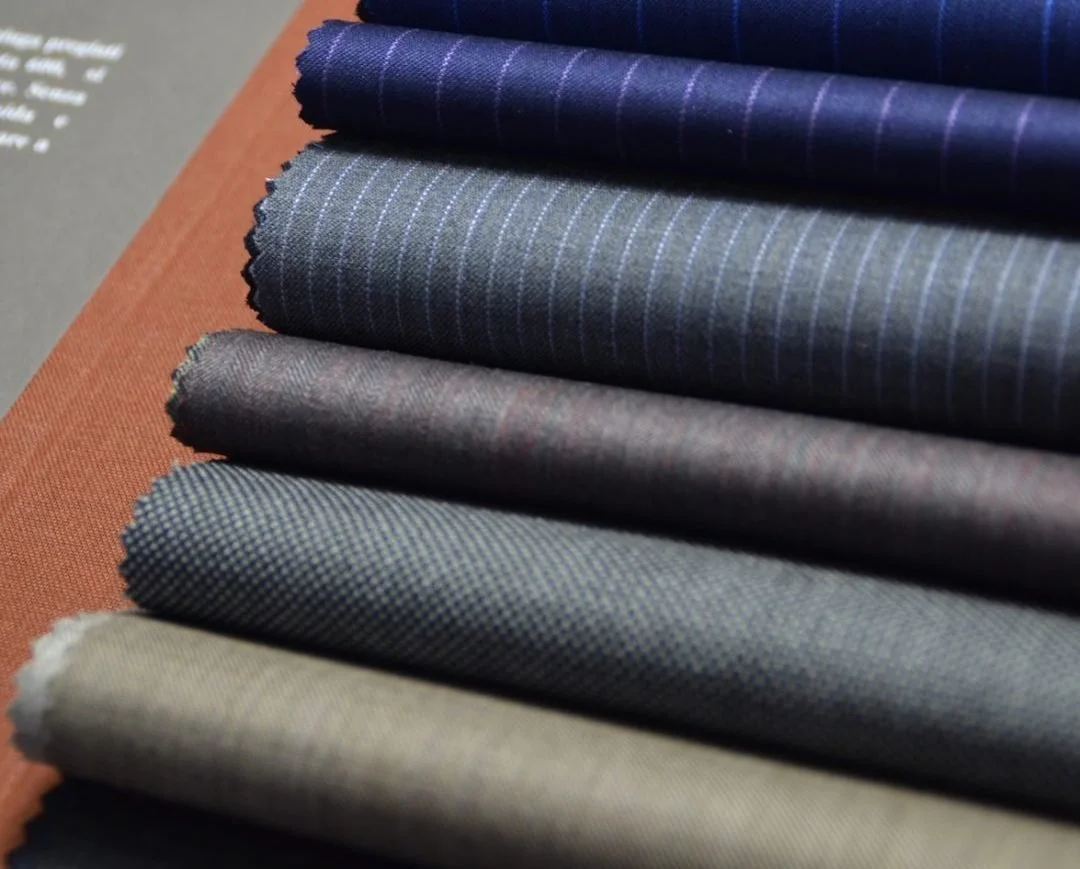
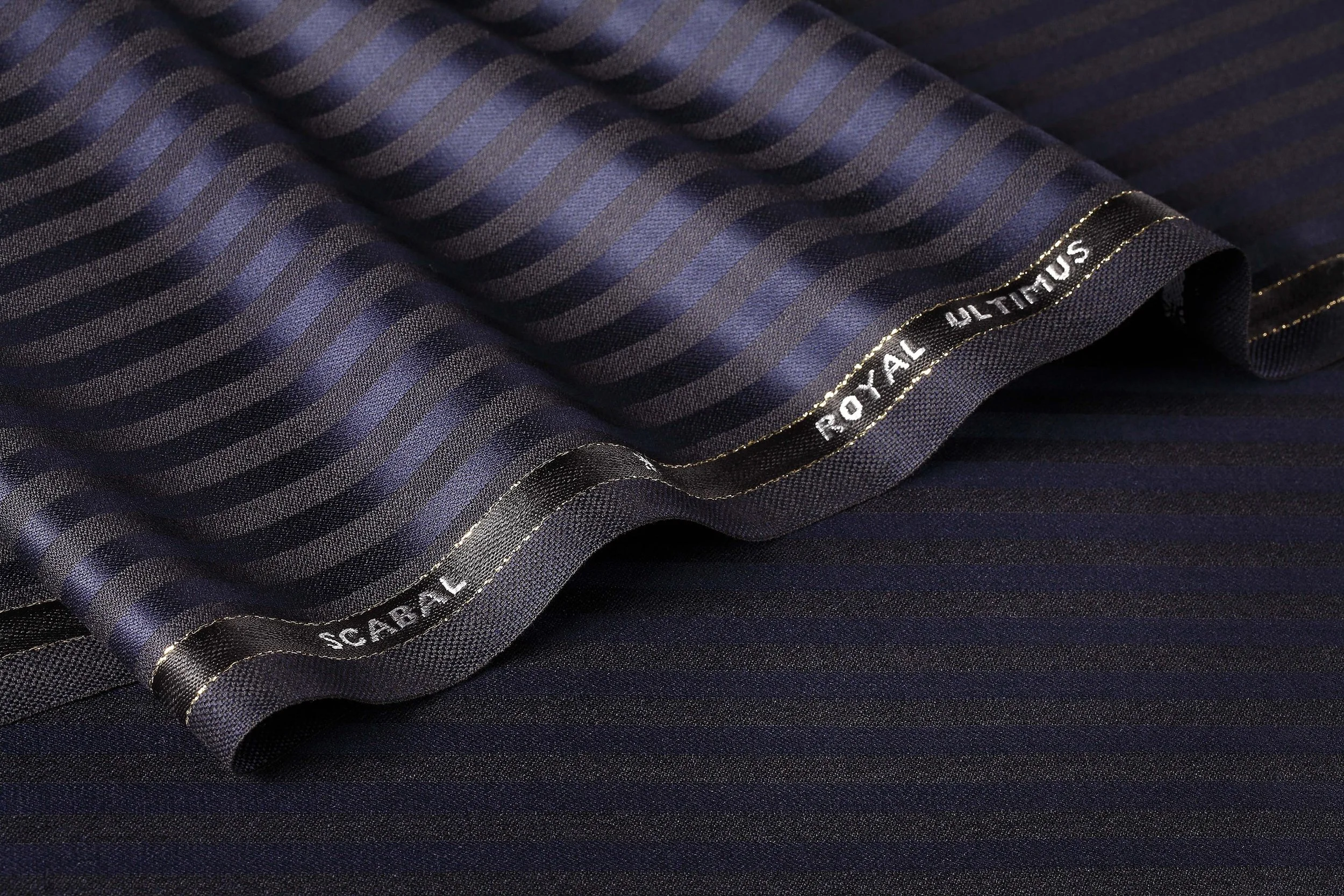
Consider climate and lifestyle: full canvas breathes in humidity; softer Neapolitan influences suit casual wear, structured British for formality. Learn more about suit fabrics here.
In an era dominated by speed, these subtleties—preserved in Hong Kong's value-driven bespoke scene and the international houses it dialogues with—reward patience. A fully canvassed, hand-crafted suit does not merely fit; it evolves, draping with increasing grace, whispering of heritage with every movement. For the gentleman who values enduring elegance, there is no substitute. Discover our tailor benchmarking guide here.
At Tailors Hong Kong, we are a trusted partner and leading procurement specialists for over 25 years for global elite executives, diplomats, and corporate leaders, we deliver direct access to authentic craftsmanship at scale. Learn more about us here