BASICS OF SELECTING CLOTH: BESPOKE SUIT IN HONG KONG
Selecting the right cloth is often the most daunting part of commissioning a bespoke or made-to-measure suit—especially in Hong Kong, where you'll be presented with thousands of options from premium mills in the tailor's bunches. A small swatch can be hard to visualize as a full garment, but getting it right means a suit you'll wear frequently and enjoy for years. Hong Kong's tailors, with access to extensive collections from English, Italian, and specialty mills, offer exceptional variety.

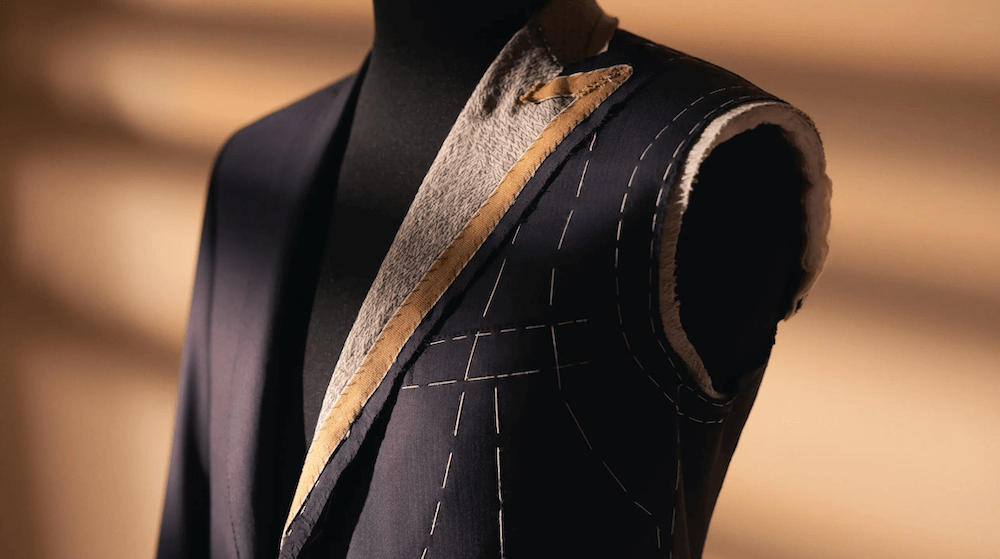
Four seasons wool courtesy of Loro Piana
Prepare Before Your Appointment
Think ahead about how you'll wear the suit:
Formality: Navy or grey worsted for business? Something more textured for smart-casual?
Season and Climate: Hong Kong's humidity favours breathable, lightweight cloths much of the year.
Versatility: Will it pair mainly with formal shirts and ties, or more casual open collars?
Bring reference photos or even a similar garment to show the tailor. Visuals communicate far better than words alone.
Understanding Cloth: The Key Properties
Suit cloth—almost always wool for versatility—varies based on material, weaving, and finishing. Focus on how these create practical "effects":
Weight: Heavier cloths (12–14oz / 370–440g) drape beautifully and wear well year-round in air-conditioned environments. Lighter (8–10oz / 250–310g) suit Hong Kong's heat or travel. High-twist versions add wrinkle resistance.
Hardness/Softness: Harder worsteds feel sleek and smooth; softer woollens (like flannel or cashmere blends) are matte and comfortable.
Crispness/Dryness: Crisper cloths (fresco, mohair blends) hold a sharp crease and feel cooler—ideal for humidity.
Breathability: Open weaves let air through, preventing overheating.
Wrinkle Resistance: High-twist yarns bounce back from creases—perfect for travellers.
Nap (hairiness): Minimal in worsteds for shine; more in flannels for texture.
Super numbers (e.g., Super 120s–180s) indicate wool fineness—higher numbers are smoother and lighter but more delicate. Most daily suits fall in the 100s–150s range for balance.
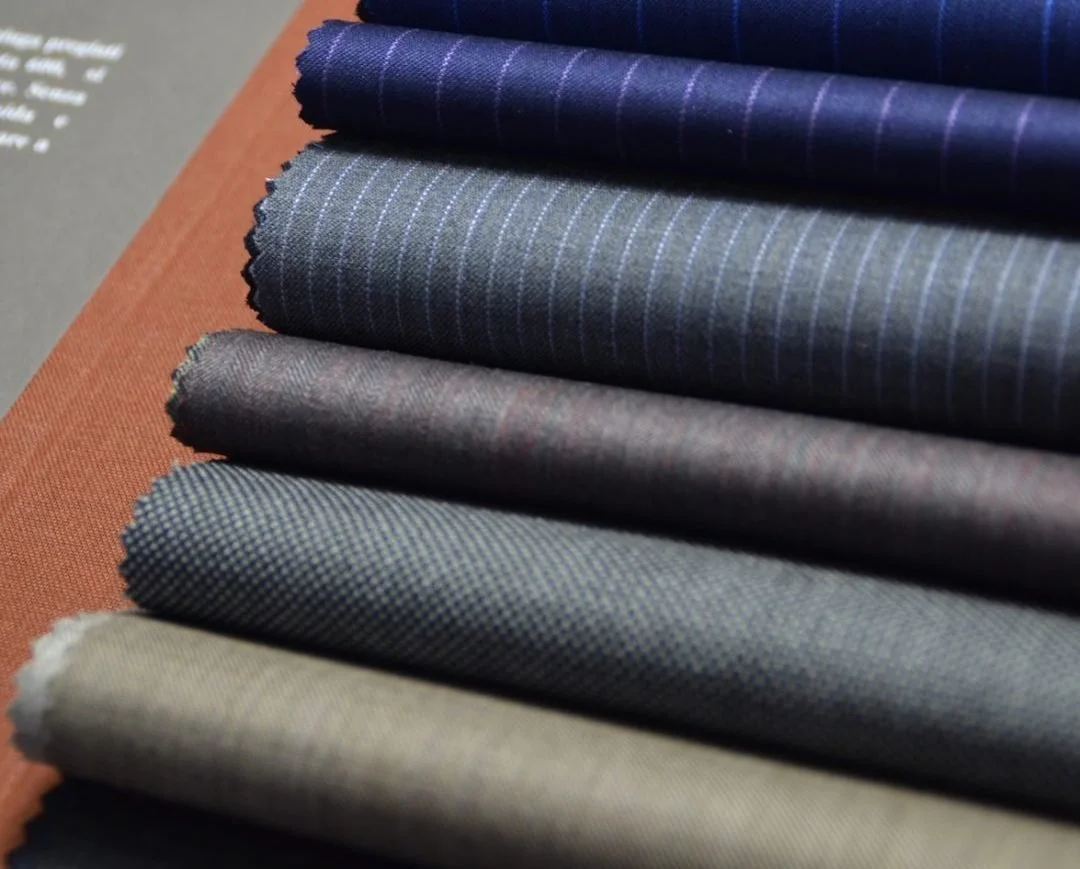
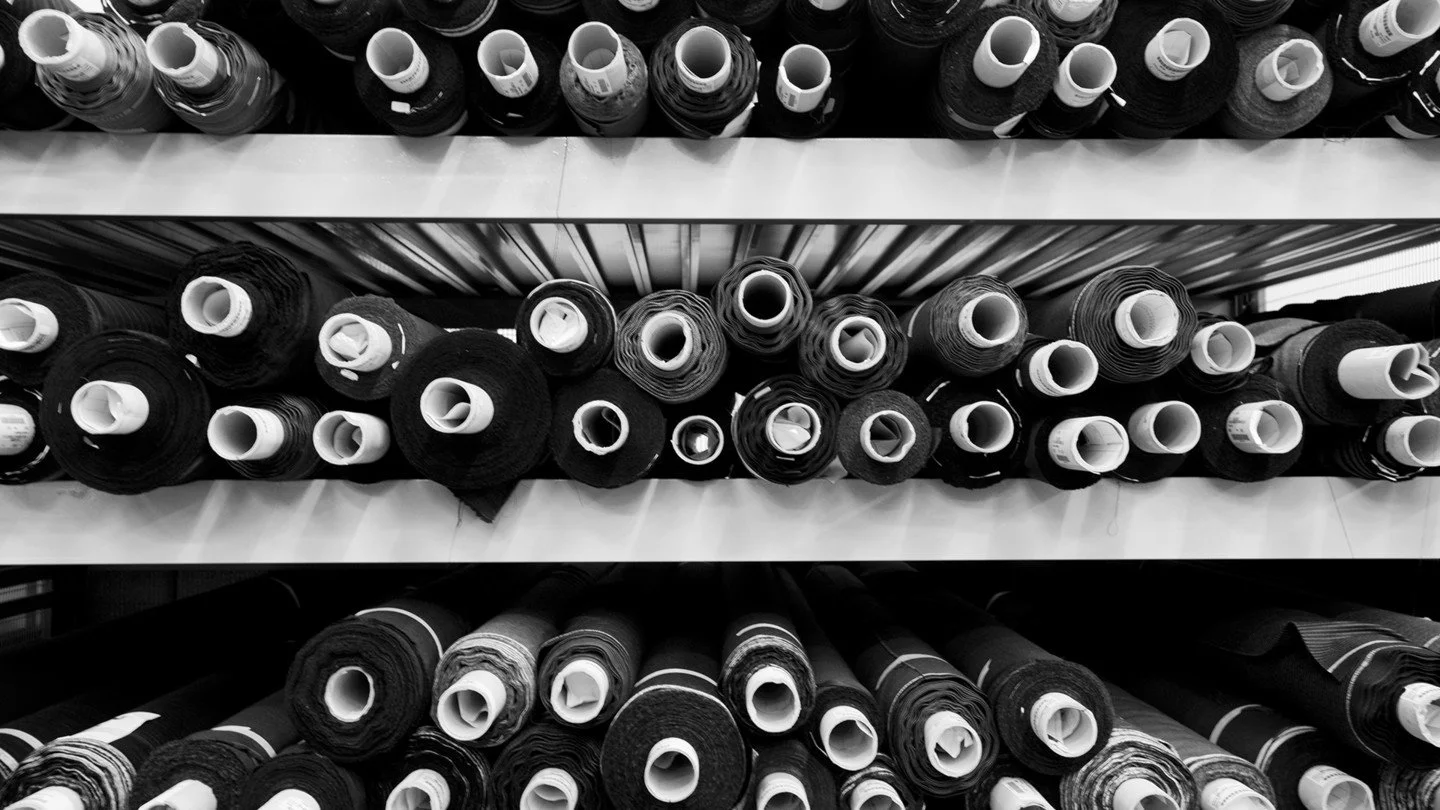
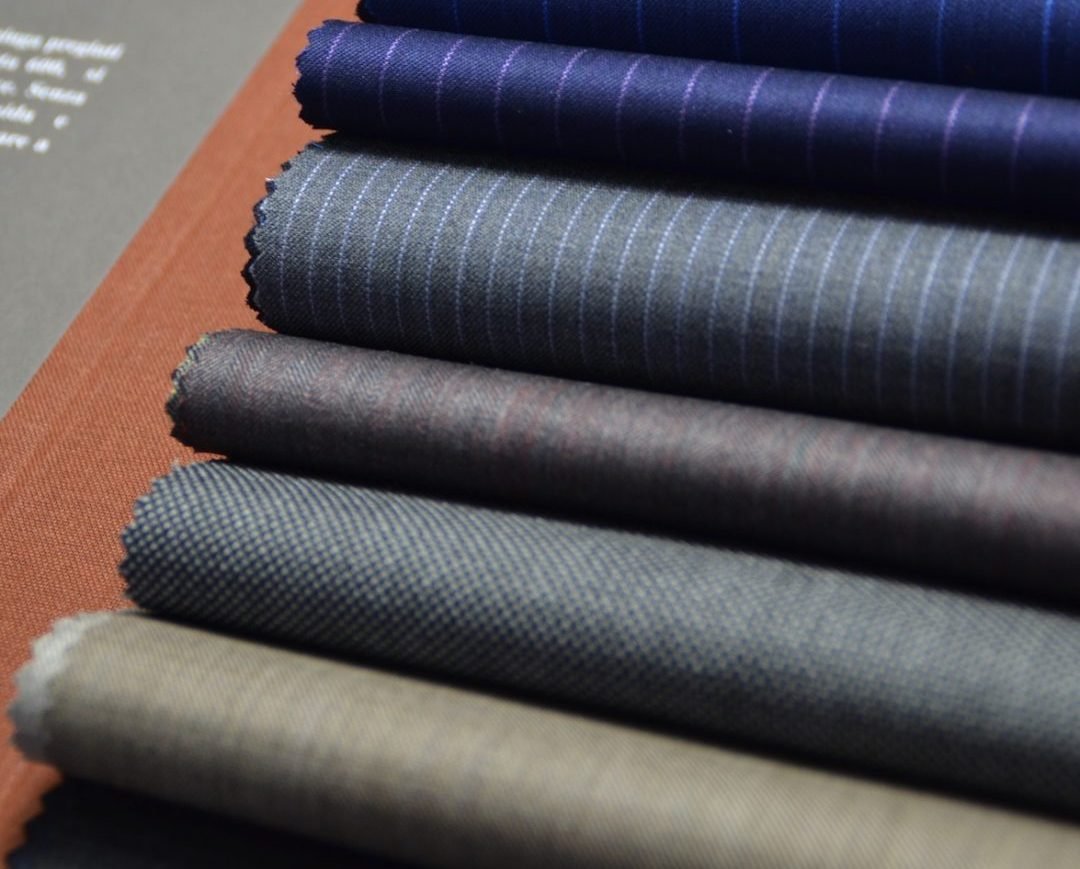
Examples of premium wool bunches from various mills commonly stocked in Hong Kong.
Weaves and Patterns
Plain weave: Flat and smooth—classic for solid navy or grey suits.
Twill: Diagonal lines add subtle depth and durability (common in business suiting).
Herringbone: A broken twill creating a zigzag—versatile texture that reads solid from afar.
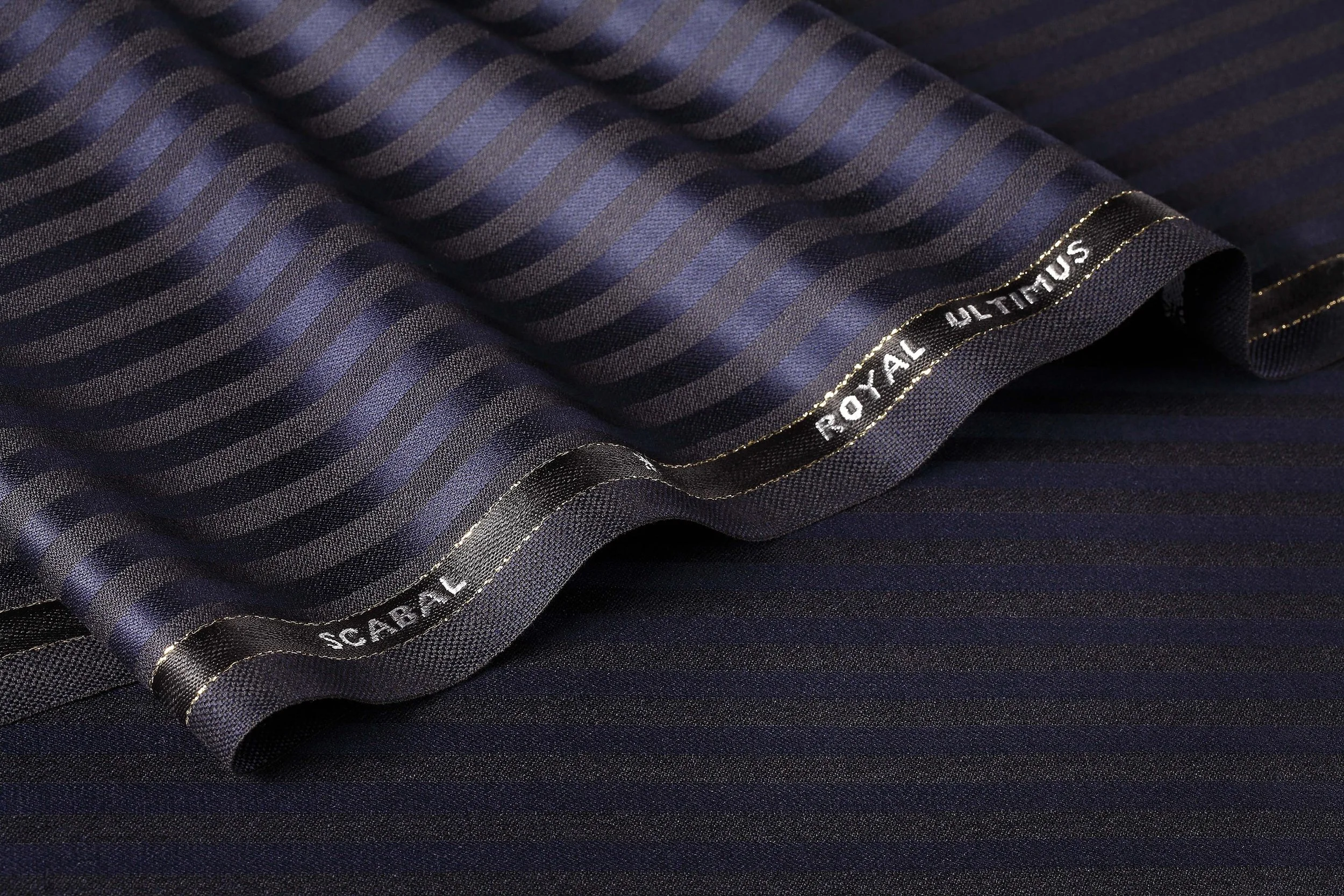
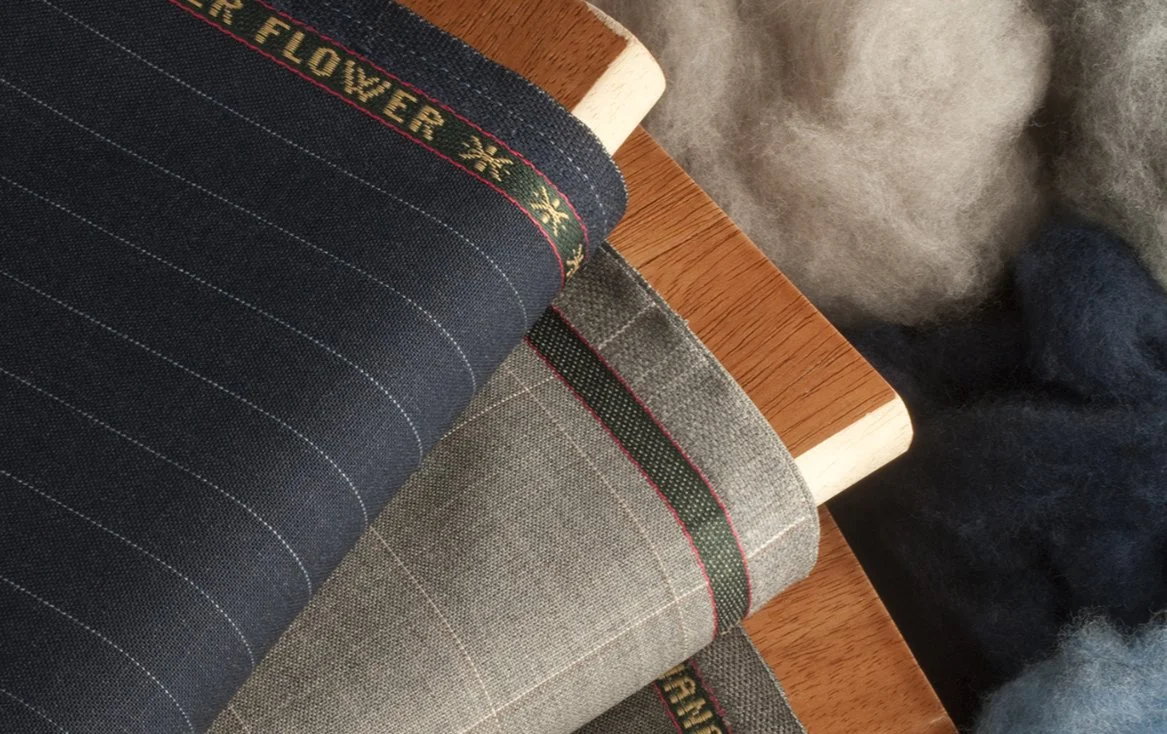
Luxurious textures in conservative tones courtesy of Scabal
Patterns like checks or stripes intensify over a full suit; subtle ones (birdseye, nailhead) often soften into texture.
Practical Tips for Choosing in the Atelier
Narrow options to 4–5 swatches.
Feel each cloth: Rub between fingers for crispness, softness, or smoothness.
Check in natural light—colours shift dramatically.
Compare against your shirts or references.
Ask to drape the bolt if possible for a better sense of weight and movement.
Request larger swatches to take home and view in different lighting.
Hong Kong tailors typically carry extensive bunches from leading English and Italian mills—giving you world-class selection without excessive markups.
Take your time with cloth selection. A suit you love wearing—because the fabric feels right for the climate and occasions—will become a wardrobe favourite. For more on seasonal recommendations, specific weave benefits, or caring for your chosen cloth, see our other guides.